


Is Beef Tallow Good for Your Skin? A Master Esthetician Explains Why I'm Not Convinced

You've probably seen it all over social media: jars of whipped beef tallow being promoted as the ultimate natural moisturizer. Some sellers claim it can clear acne, repair damaged skin, reverse aging, soothe eczema, and replace an entire skincare routine. I've even seen claims that beef tallow can be used as a natural alternative to sunscreen.

And increasingly, I'm hearing about it from clients at Sanctuary Skin.
Usually, the conversation starts with something like, "I've been trying to use more natural skincare products because I don't want to put so many chemicals on my skin."
I completely understand where that concern comes from. We are constantly exposed to conflicting information about ingredients, preservatives, toxins, and what we're supposedly doing wrong with our skincare routines. When someone promises a simpler, more natural solution, it's easy to see the appeal.
But as a Master Esthetician, there's an important distinction I want people to understand:
Just because something is natural doesn't mean it's safer, healthier, or better for your skin.
And beef tallow is a perfect example of why that distinction matters.
Why Do We Automatically Assume Natural Skincare Is Better?
There's actually a name for this way of thinking: the naturalistic fallacy, or more specifically, the appeal to nature.
It's the tendency to assume that something is inherently good because it comes from nature, while something manufactured, synthetic, or developed in a laboratory must somehow be harmful.
You see this reasoning everywhere in the beauty industry. Products are advertised as "chemical-free," "non-toxic," "all-natural," or "free from harsh ingredients," often without explaining what those descriptions actually mean.
The problem is that natural and safe are not synonyms. Neither are synthetic and harmful.
Poison ivy is natural. So are many substances that can irritate, burn, or trigger allergic reactions in the skin.
On the other hand, some of the most extensively researched ingredients in skincare are produced or refined through laboratory processes. That doesn't make them dangerous. It allows manufacturers to control their purity, concentration, stability, and performance.
And here's something I wish more consumers understood: everything is made of chemicals!!
Water is a chemical compound. The oils naturally produced by your skin are made of chemicals. Even beef tallow itself is a complex mixture of chemical compounds.
When a product claims to be "chemical-free," that isn't a meaningful scientific description. It's marketing language designed to make certain ingredients sound frightening and others sound reassuring.
What matters is what an ingredient does, how much is used, how it's formulated, and whether it's appropriate for your skin.
Can Natural Skincare Products Actually Irritate Your Skin?
Absolutely. In fact, some naturally derived ingredients are well-known causes of skin irritation and allergic contact dermatitis.
Essential oils are a great example.

Tea tree oil, lavender oil, peppermint oil, and citrus oils are frequently promoted as gentle botanical alternatives to conventional skincare ingredients. Yet some of these oils contain compounds that can cause irritation or allergic reactions, especially when used at inappropriate concentrations.
Certain citrus-derived ingredients can also make skin more sensitive to sunlight and cause an increased risk of sunburn.
That doesn't mean every essential oil is dangerous or that botanical ingredients have no place in skincare. It means their safety depends on the individual ingredient, formulation, concentration, and person using them.
For clients who already struggle with rosacea, acne, eczema, or a compromised skin barrier, experimenting with highly fragranced or poorly formulated natural products can sometimes make an existing problem worse.
Your skin doesn't recognize whether an ingredient came from a plant, an animal, or a laboratory. It responds to the chemical properties of that ingredient and how it interacts with your skin.
This is why I always encourage clients to evaluate skincare based on evidence rather than whether the label sounds natural.
What Makes Professional Skincare Different From Homemade or Farmers Market Skincare?
One of the biggest differences between the professional skincare products we carry at Sanctuary Skin and many homemade skincare products is the amount of formulation science behind them.
When reputable skincare companies develop a product, they're not simply choosing a few ingredients that sound beneficial and mixing them together.
They're considering how those ingredients interact, how stable they remain over time, whether the formulation can deliver them effectively, how the product should be preserved, and whether it is appropriate for its intended use.
For example, a well-formulated moisturizer might combine several different types of ingredients:
Humectants, such as glycerin or hyaluronic acid, to attract and retain water.
Emollients, such as certain lipids, to soften and smooth the skin.
Occlusives, which help reduce moisture loss.
Barrier-supporting ingredients, such as ceramides, that help replenish components of the skin's protective barrier.
A corrective serum may also contain ingredients selected to address specific biological processes associated with acne, pigmentation, or visible signs of aging.

These formulations can draw on decades of dermatologic research, ingredient testing, and product development. Some are supported by clinical studies evaluating the finished formulation.
The distinction I care about is whether a company can demonstrate thoughtful formulation, appropriate quality controls, and credible evidence for what its products claim to accomplish.
That's also why we are selective about the skincare brands we carry.
At Sanctuary Skin in Virginia Beach, we want products that do more than feel pleasant when they're first applied. We want to understand why we're recommending them, what they're designed to accomplish, and how they fit into a client's long-term skin goals.
A product having only three ingredients doesn't automatically make it better than a product containing twenty. Sometimes those additional ingredients are precisely what make the formulation more effective, stable, and suitable for your skin.
What Exactly Is Beef Tallow?
Beef tallow is rendered animal fat, typically obtained from fatty tissue around a cow's kidneys and other organs.

To produce it, the fat is heated so it melts and separates from water and other tissue components. The liquid fat is then strained or filtered and allowed to cool, creating a solid, waxy substance.
For skincare, it may be further purified, whipped into a softer texture, or blended with other ingredients such as plant oils, essential oils, or fragrances.
Chemically, beef tallow is primarily composed of triglycerides containing fatty acids, including oleic, palmitic, and stearic acids.
These fatty acids aren't inherently bad. In fact, lipids play an important role in maintaining healthy skin. Your skin naturally contains a mixture of lipids that help protect its barrier and reduce moisture loss.
This is where some of the enthusiasm surrounding beef tallow originates.
Because tallow contains fatty acids and forms a protective layer on the skin, it can function as an emollient and occlusive moisturizer.
For someone with very dry, lipid-deficient skin, that may provide a temporary feeling of softness and relief.
But there's a significant difference between helping skin feel moisturized and correcting the underlying causes of a skin condition.
Does Beef Tallow Actually Moisturize Your Skin?
Yes, beef tallow can help soften skin and reduce moisture loss.
Its fatty composition allows it to form a relatively rich layer over the skin's surface, which can be beneficial when the skin is lacking oil or struggling to retain moisture.
But this doesn't make it uniquely effective.
Petrolatum, mineral oil, squalane, certain plant-derived oils, and many modern moisturizing ingredients can also help reduce water loss or improve the feel of dry skin.
And unlike a single-ingredient fat, a thoughtfully formulated moisturizer can combine occlusive ingredients with humectants, barrier-supporting lipids, and other ingredients to address multiple aspects of dryness.
It's also important to understand that moisture and hydration aren't exactly the same thing.
Skin can lack water, lipids, or both. Applying a heavy fat may reduce water loss, but it doesn't necessarily supply the full range of ingredients needed to address dehydration or impaired barrier function.
That's why I don't believe the answer to every dry-skin concern is simply applying a thicker layer of oil or fat.
Is Beef Tallow Good for Acne-Prone Skin?
This is where I become particularly cautious.
I generally do not recommend beef tallow as a facial moisturizer for clients who are acne-prone, oily, or frequently experience clogged pores.
Acne is a complex condition involving excess sebum, abnormal shedding of cells within the hair follicle, inflammation, and acne-associated bacteria.

Treating it effectively requires understanding which of those processes are contributing to a person's breakouts.
Beef tallow doesn't have convincing clinical evidence demonstrating that it treats those underlying mechanisms.
Because it's a rich, heavy fat, it may also be poorly tolerated by people whose skin is already prone to congestion.
When someone is already struggling with comedones, inflammatory breakouts, or persistent congestion, I don't see a compelling reason to introduce a heavy animal-fat balm when we have other moisturizers with better-established suitability for acne-prone skin.
And there's another consideration: many tallow products aren't just tallow.
They may contain coconut oil, essential oils, fragrance, or other ingredients that can create additional concerns for sensitive or breakout-prone individuals.
If someone tells me they're using beef tallow to clear their acne, my first question is going to be: What evidence do we have that this particular product is treating the causes of your acne?
At this point, that evidence is extremely limited.
Can Beef Tallow Treat Eczema, Rosacea, Psoriasis, or Wrinkles?
These are some of the more ambitious claims circulating online.
Beef tallow is sometimes marketed as a treatment for inflammatory skin conditions because it contains fatty acids and small amounts of naturally occurring fat-soluble vitamins.
But containing an ingredient associated with skin health doesn't automatically mean a finished product can treat a disease.
For example, the presence of vitamin A in a substance doesn't make it equivalent to a clinically studied retinoid formulation. And containing fatty acids doesn't mean a product can correct the inflammatory processes involved in eczema or psoriasis.
A 2025 study published in the Journal of Cosmetic Dermatology analyzed social-media claims about beef tallow skincare and found that claims involving acne, eczema, and psoriasis frequently lacked supporting scientific evidence.
The researchers also identified financial interests in much of the promotional content.
That finding is important because testimonials and before-and-after photographs can be persuasive, but they don't establish that a product caused the improvement.
Skin conditions naturally fluctuate. People often change several products at once. Some improvements may simply come from discontinuing an irritating routine rather than from the new product having a special therapeutic effect.
Could someone with dry skin feel better after applying tallow? Certainly.
Does that establish that beef tallow treats rosacea, eczema, psoriasis, or wrinkles? No.
There is a major difference between a product providing temporary comfort and a product being proven to treat a medical or cosmetic concern.
Can Beef Tallow Be Used as a Natural Sunscreen?
No. I would never recommend using beef tallow in place of a properly tested sunscreen.
This is the claim I find most concerning because the consequences extend beyond wasting money on an ineffective moisturizer.
Some online sellers suggest that beef tallow provides natural sun protection or that conventional sunscreens are unnecessary because the skin can be protected through natural fats and oils.
There is no reliable evidence establishing that ordinary beef tallow provides adequate broad-spectrum protection against ultraviolet radiation.
In the United States, sunscreen is regulated as an over-the-counter drug, not merely as a cosmetic. Products making sunscreen claims must meet applicable requirements, including standardized testing to establish their labeled SPF and broad-spectrum protection.
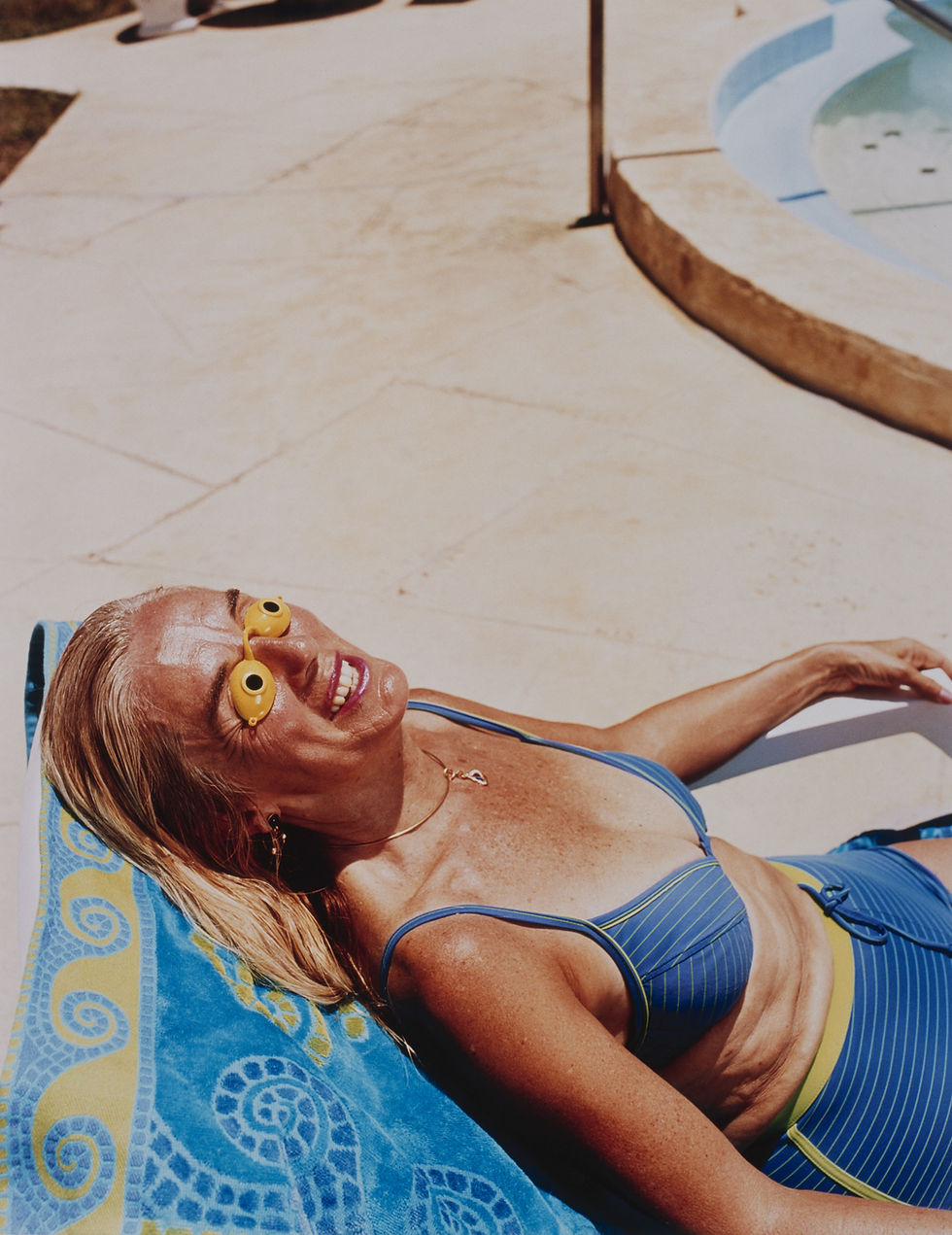
A substance feeling thick, oily, or protective on the skin tells us nothing reliable about its ability to prevent UV damage.
And insufficient sun protection has serious consequences.
Ultraviolet exposure contributes to premature skin aging, hyperpigmentation, melasma, and skin cancer.
Here in Virginia Beach, where many of us spend significant time outdoors, adequate sun protection is especially important.
Replacing a tested broad-spectrum SPF 30 or higher sunscreen with beef tallow is not a natural skincare upgrade. It's an unnecessary risk.
This is where skincare misinformation becomes more than a harmless trend.
Is Beef Tallow Safer Because It Doesn't Contain Preservatives?
Not necessarily.
Preservatives are another category of ingredients that have developed an unfairly negative reputation.
Their purpose is to help protect products against microbial contamination during manufacturing, storage, and everyday use.
A completely anhydrous product—meaning it contains no water—may not require the same preservation system as a water-based cream. But that doesn't mean it is immune to contamination or deterioration.
Quality of raw materials, purification, handling, packaging, storage, and exposure to moisture all matter.

For example, a jar of tallow repeatedly opened in a humid bathroom and touched with wet fingers may present different contamination concerns than a professionally manufactured product packaged and handled under controlled conditions.
Fats can also oxidize over time, potentially affecting odor, quality, and skin tolerance.
I don't think every handmade product is automatically unsafe. Small manufacturers can follow appropriate safety and quality practices.
But I also wouldn't assume that a product is safer simply because it was made in someone's kitchen, contains no preservatives, or was purchased from a farmers market.
The absence of preservatives isn't automatically a benefit. What matters is whether the product remains safe and stable throughout its intended use.
Why Are So Many People Convinced Beef Tallow Has Transformed Their Skin?
I think there are several reasons.
First, a rich occlusive product can genuinely make dry skin feel softer and more comfortable. Someone who has been using an overly harsh cleanser or insufficient moisturizer may notice a meaningful improvement after introducing a heavier balm.
Second, many people who switch to beef tallow simultaneously simplify their skincare routines.
If they were previously over-exfoliating, combining too many active ingredients, or using irritating products, removing those steps could improve their skin regardless of what moisturizer replaces them.
Third, skincare results are highly individual.
A product that feels wonderful on someone with very dry skin may be completely unsuitable for someone who struggles with acne, rosacea, or congestion.

And finally, social media is exceptionally good at turning personal experiences into universal recommendations.
Someone discovers something that works for them, shares their results, and suddenly that product is being promoted as the answer to everyone else's skin problems.
But a personal success story isn't the same thing as evidence that a product works for every skin type or concern.
This is something I discuss with clients constantly, whether we're talking about beef tallow, viral skincare routines, ingredient-scanning apps, or the newest trending beauty device.
Should You Buy Skincare Products From Farmers Markets?
I love supporting local businesses, and I understand the appeal of buying something handmade from someone in your community.
But when it comes to products I'm using to correct acne, pigmentation, signs of aging, or chronic sensitivity, I personally prefer skincare developed specifically for those concerns and supported by credible formulation and safety evidence.
A beautiful handmade body balm may be perfectly enjoyable for someone whose skin tolerates it.
But that's different from expecting a product to improve a complex skin condition.
I wouldn't choose a corrective skincare product simply because it's locally made, has a short ingredient list, or comes in attractive packaging with a natural-sounding description.
I want to know what the ingredients are, what concentrations are being used when relevant, how the product is manufactured, what evidence supports its claims, and whether it makes sense for the person using it.
That's the standard I encourage clients to apply to every skincare purchase, whether they're shopping at a farmers market, a drugstore, a luxury beauty retailer, or a professional spa.
My Professional Opinion: Do I Recommend Beef Tallow for Skincare?
No. Beef tallow isn't a product I recommend as part of a corrective facial skincare routine.
Not because it's derived from an animal, and not because every natural ingredient is bad.
I don't recommend it because the evidence supporting its more ambitious skincare claims is extremely limited, it may not be appropriate for acne-prone or sensitive skin, and there are other well-formulated products that I have much more confidence in recommending.
Could someone with very dry, lipid-deficient skin find it moisturizing? Absolutely.
Could someone use it without experiencing any problems? Of course.
But that doesn't make it a universal solution, and it certainly doesn't justify claims that it can treat acne, reverse aging, cure inflammatory skin conditions, or replace sunscreen.
My philosophy at Sanctuary Skin has always been that skincare should be selected based on what your skin actually needs, not what's trending on social media.
Sometimes that means recommending an advanced corrective serum. Sometimes it means simplifying someone's routine and focusing on barrier repair. Sometimes it means explaining why the product they're excited about probably isn't the best investment for their particular concerns.
And sometimes it means telling someone that the product they've been told is a miracle cure is, at its core, simply rendered animal fat.
There's nothing wrong with wanting a simpler skincare routine. In fact, I often encourage it.
But simpler doesn't have to mean less scientific, and natural doesn't automatically mean better.
The goal shouldn't be to eliminate ingredients because their names sound unfamiliar.
The goal should be to understand which ingredients are safe, effective, and appropriate for your skin.
Looking for Skincare That Actually Works in Virginia Beach?
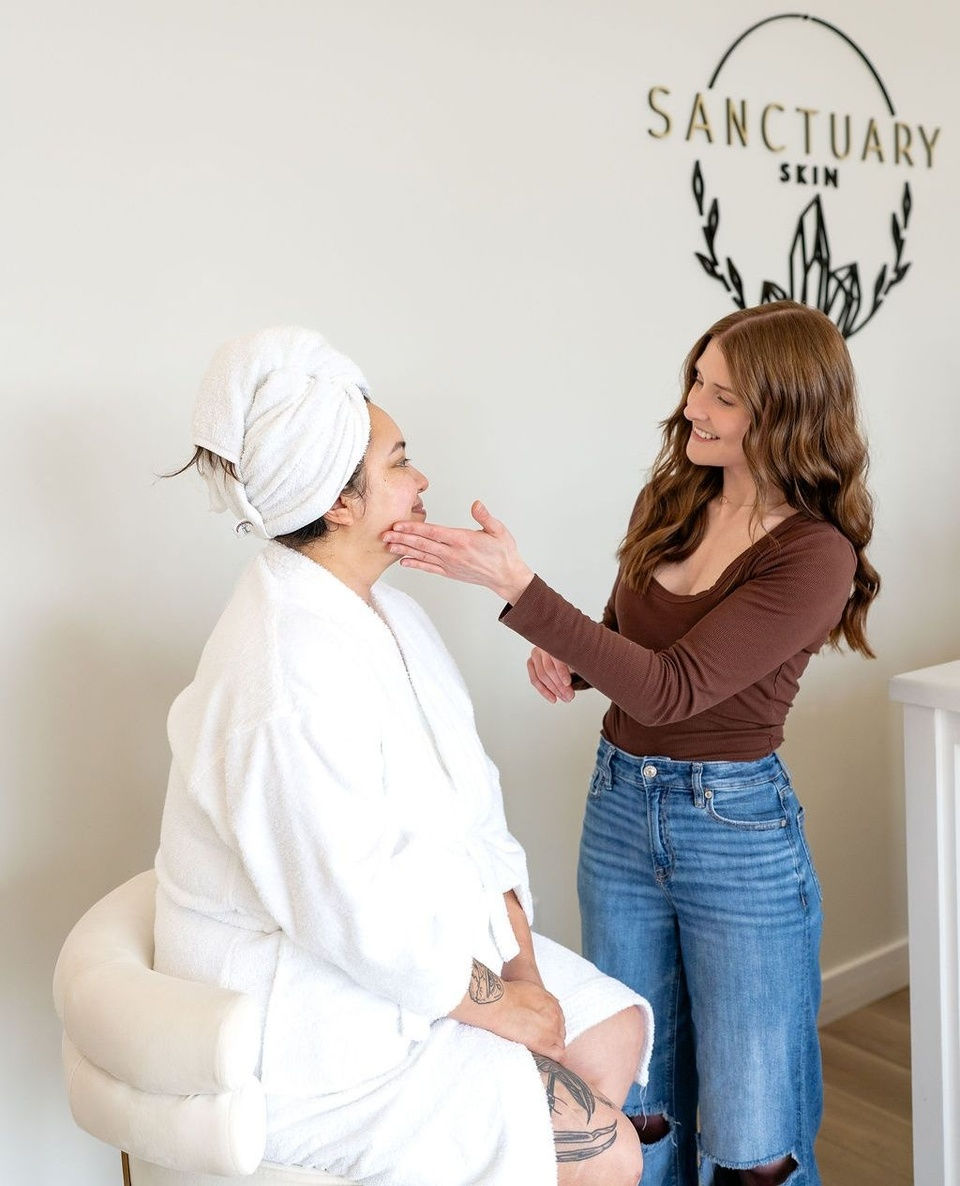
At Sanctuary Skin in Virginia Beach, our Master Estheticians specialize in helping clients understand their skin and choose products and treatments based on their individual concerns.
Whether you're struggling with acne, dryness, redness, pigmentation, or simply feeling overwhelmed by conflicting skincare advice, we can help you develop a routine that makes sense.
We believe the best skincare routine isn't necessarily the most expensive, the most complicated, or the most natural.
It's the one that's appropriate for your skin, supported by sound evidence, and realistic enough for you to use consistently.
If you're unsure whether the products you're using are helping or hurting your skin, schedule a professional skin consultation at Sanctuary Skin. We'd love to help you separate skincare facts from marketing trends and build a routine you can feel confident about.


Comments